Plumber in Vancouver, BC
Need a plumber in Vancouver? Call for burst pipes, root-blocked sewers, hot water tanks, galvanized and Poly-B repipes, backflow tests and gas lines, from Kitsilano to Killarney. The plumber sees the problem first and puts the price in writing before work starts.
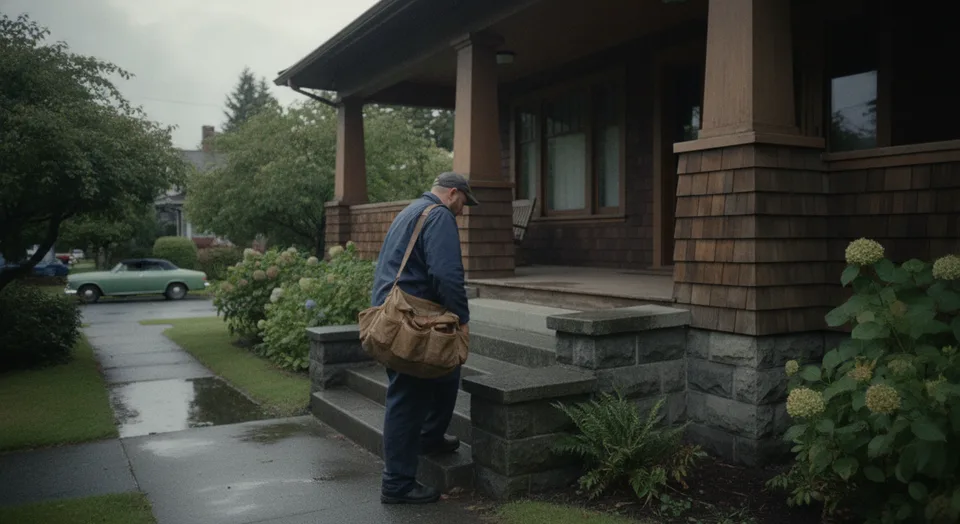
Vancouver's plumbing is as varied as its housing. The Craftsman and Edwardian houses of Kitsilano, Mount Pleasant and Grandview-Woodland went up in the early 1900s, and many still have galvanized supply pipe, cast iron stacks and clay sewer lines with tree roots in the joints. The Vancouver Specials built across the east side from the 1960s to the 1980s usually run two households, two kitchens and a downstairs laundry on one drain. Houses from the late 1980s and early 1990s are where Poly-B turns up. And more lots now carry a laneway home or suite drawing on a water service and sewer sized for one family. This line reaches one Vancouver plumber who looks at the actual pipe and prices the work in writing.
Plumbing Work in Vancouver
Emergency repairs, sewer camera work on century-old clay lines, hot water tanks for up-and-down Vancouver Specials, repipes of galvanized and Poly-B, and City-permitted gas lines.
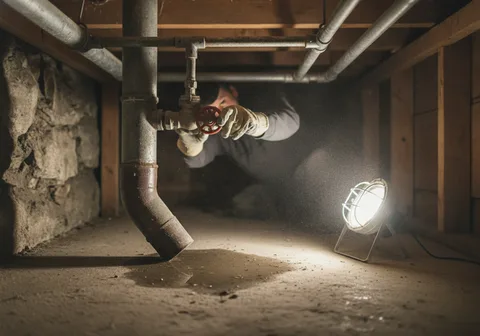
Emergency Plumbing
Burst and leaking pipes, sewer backups into lower suites, failed tanks and seized shut-off valves, seven days a week.
Learn more →
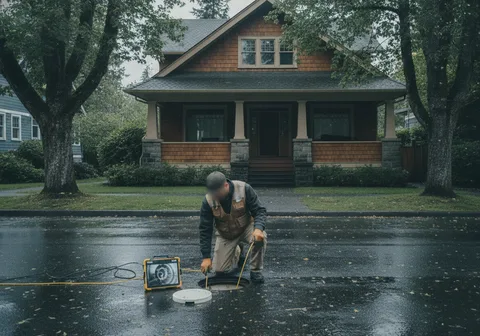
Drain Cleaning & Sewer Lines
Root-filled clay sewers, main drains shared by two households, camera inspection and locating before anyone digs.
Learn more →
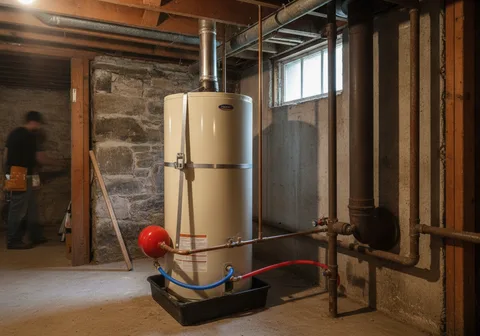
Hot Water Tanks & Tankless
Gas and electric tanks for houses with suites, tankless and heat pump heaters, with City permits and seismic straps.
Learn more →
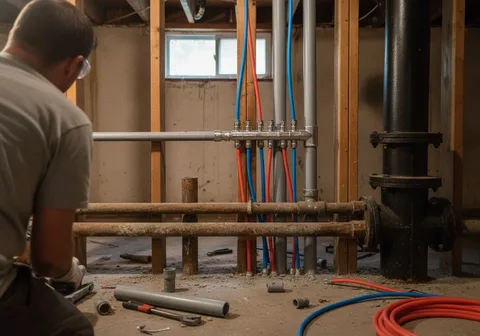
Poly-B & Galvanized Repiping
Galvanized lines in pre-war houses, Poly-B in 1980s and 1990s builds, and Kitec in condos, replaced with PEX or copper.
Learn more →
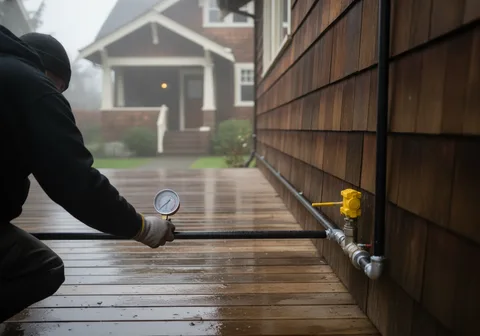
Gas Lines for Ranges, BBQs & Heaters
Lines for gas ranges, BBQs, fireplaces and tankless heaters, sized for the whole meter and permitted by the City.
Learn more →
Plumbing in Vancouver: What Is Behind the Walls
Craftsman houses, Vancouver Specials and laneway homes. An older Vancouver house often has three plumbing eras in one basement: galvanized from the original build, copper from a renovation and plastic from whoever added the suite. The main shut-off may be a gate valve that has not turned in decades, which is worth testing before an emergency. Adding a laneway home or suite raises one more question: whether the existing water service and building sewer can carry the extra fixtures, which the City looks at when the permit is applied for.
Backflow testing and the City water service. The City of Vancouver runs a cross-connection control program to protect the public supply. Where its Water Works By-law requires a testable backflow preventer, the owner must have it tested on installation, every year after that and after any repair, by a certified tester, with results reported to the City within 15 days. Older houses also tend to have a small water service from the street; once a laneway home shares it, pressure suffers, and upgrading it is coordinated with the City.
Gas work, permits and who you let in. Vancouver is one of the few BC cities that issues its own gas permits, so gas and plumbing permits here come from the City of Vancouver rather than Technical Safety BC. Ask any gas fitter for their Technical Safety BC gas fitter licence and confirm the permit is in place before work starts. Ask any plumbing contractor for a WorkSafeBC clearance letter and proof of liability insurance; both are quick to provide and protect you if something goes wrong on site. In a house built before 1990, WorkSafeBC expects asbestos testing before walls, ceilings or floors are opened.
Serving Vancouver & Surrounding Areas
Gas fitter licensing is administered by Technical Safety BC; in the City of Vancouver, gas, plumbing and electrical permits are issued by the City itself (Technical Safety BC's jurisdiction list). Plumbing and building rules come from the BC Building and Plumbing Code, and in the City of Vancouver the Vancouver Building By-law. Natural gas is supplied by FortisBC. City water comes from Metro Vancouver's Capilano, Seymour and Coquitlam watersheds, and the City of Vancouver requires testable backflow preventers to be tested every year by a certified tester. WorkSafeBC requires asbestos testing before renovation or demolition of homes built before 1990. Permit questions for your address go to City of Vancouver. Last reviewed November 2026.
Frequently Asked Questions
What should I do first when a pipe bursts in my Vancouver house?
Shut off the main water valve, usually where the line comes through the front foundation wall in an older Vancouver house, then open a low tap to drain the pipes. Turn the hot water tank to pilot or off. If the valve will not move, the City can shut the curb stop at the property line, and the plumber can replace the old valve once the water is off.
Why does my Vancouver main drain keep backing up?
In older Vancouver houses the usual cause is tree roots in clay sewer joints, followed by a sag that holds waste or a broken section. Cabling clears roots for a while, but they grow back. A recorded camera inspection shows which problem you have and where it is, which decides whether cleaning, a spot repair or a full replacement is the sensible fix.
Do I need a permit to replace a hot water tank in Vancouver?
Yes. In Vancouver a gas water heater replacement needs a gas permit, and the City issues it, not Technical Safety BC. The plumber applies as part of the job and arranges the inspection. From January 1, 2027, replacements in detached houses and duplexes must also meet the City's highest-efficiency rule, which a standard gas tank does not.
Should I replace galvanized pipes in my old Vancouver house?
If the water pressure has dropped, the water discolours or the threaded joints have started to leak, yes. Galvanized steel corrodes from the inside and does not recover. Many Vancouver character houses get a staged repipe: the main line and most corroded runs first, the rest during a later renovation, so plaster is opened only once.
Who issues gas permits in Vancouver, BC?
The City of Vancouver. It is one of a handful of BC municipalities that issue their own gas permits under an agreement with the Province; most of BC goes through Technical Safety BC. The gas fitter still needs a Technical Safety BC licence. Ask for the permit number before work starts and keep the inspection record.
How much does a plumber cost in Vancouver?
A plumbing service visit in Vancouver typically runs $250–$400 before parts, and common drain clearing $250–$500. Larger work is priced per job: a standard hot water tank replacement is often $1,500–$3,000 installed, and a whole-house Poly-B repipe $3,000–$25,000. These are 2025-2026 Lower Mainland estimates; the written quote after the visit is the real number.
Is Vancouver Plumbing Pros a plumbing company?
No. It is a booking line that sends each Vancouver request to one local plumber, not to a list of companies. That plumber calls back, visits and gives a written quote. Before work starts, ask for the gas fitter's Technical Safety BC licence on gas jobs, a WorkSafeBC clearance letter and proof of liability insurance; any reputable plumber can provide all three.
Ready to Get Started?
Call 778-652-0270 or send the form for a written quote for plumbing in Vancouver.